Drainage Advice & Resources
Plain explanations of common drainage problems — what causes them, how to recognise them, and what the options are. Written to help you understand your property before you call anyone, including us.
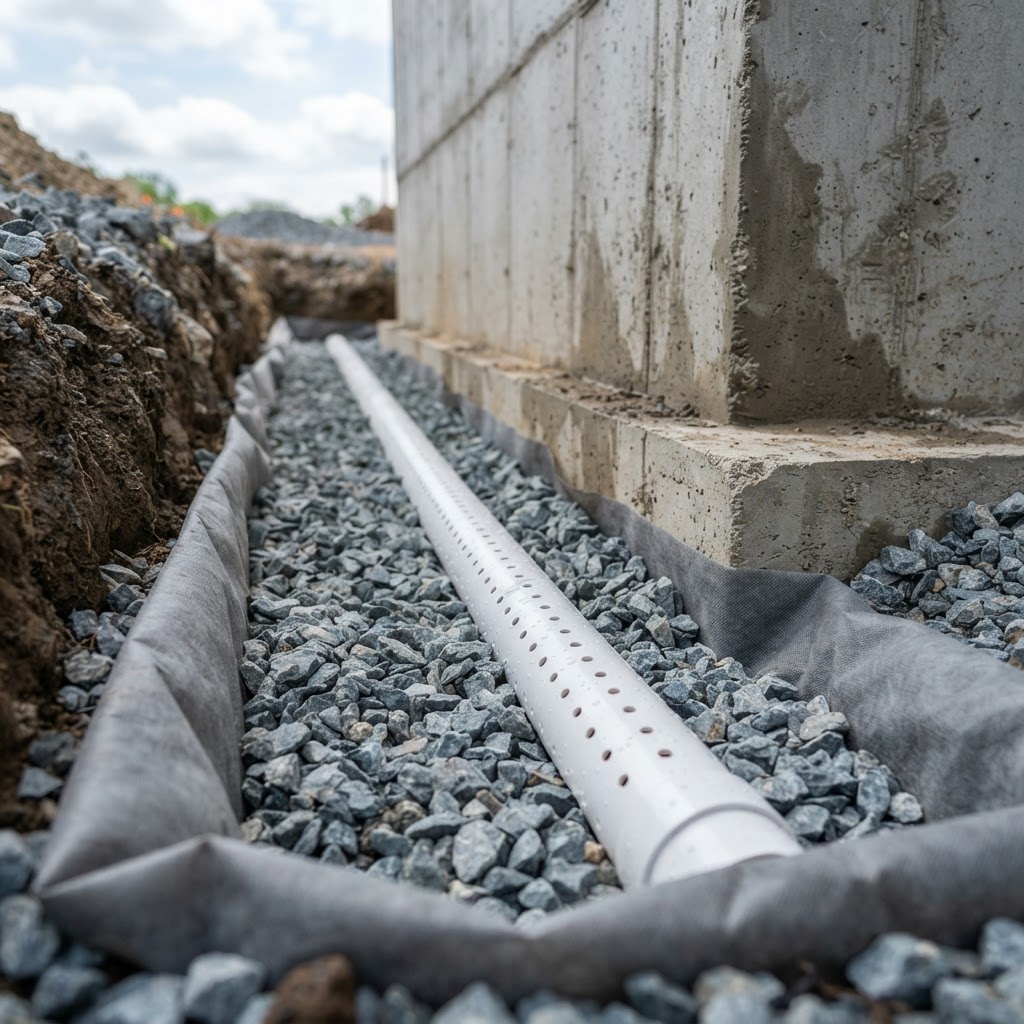
How Does a Perimeter Drainage System Work?
A perimeter drain is a pipe buried at the base of your foundation that gives groundwater a path away from the wall instead of letting it build up against it. Here is how the pieces fit together.
Read article →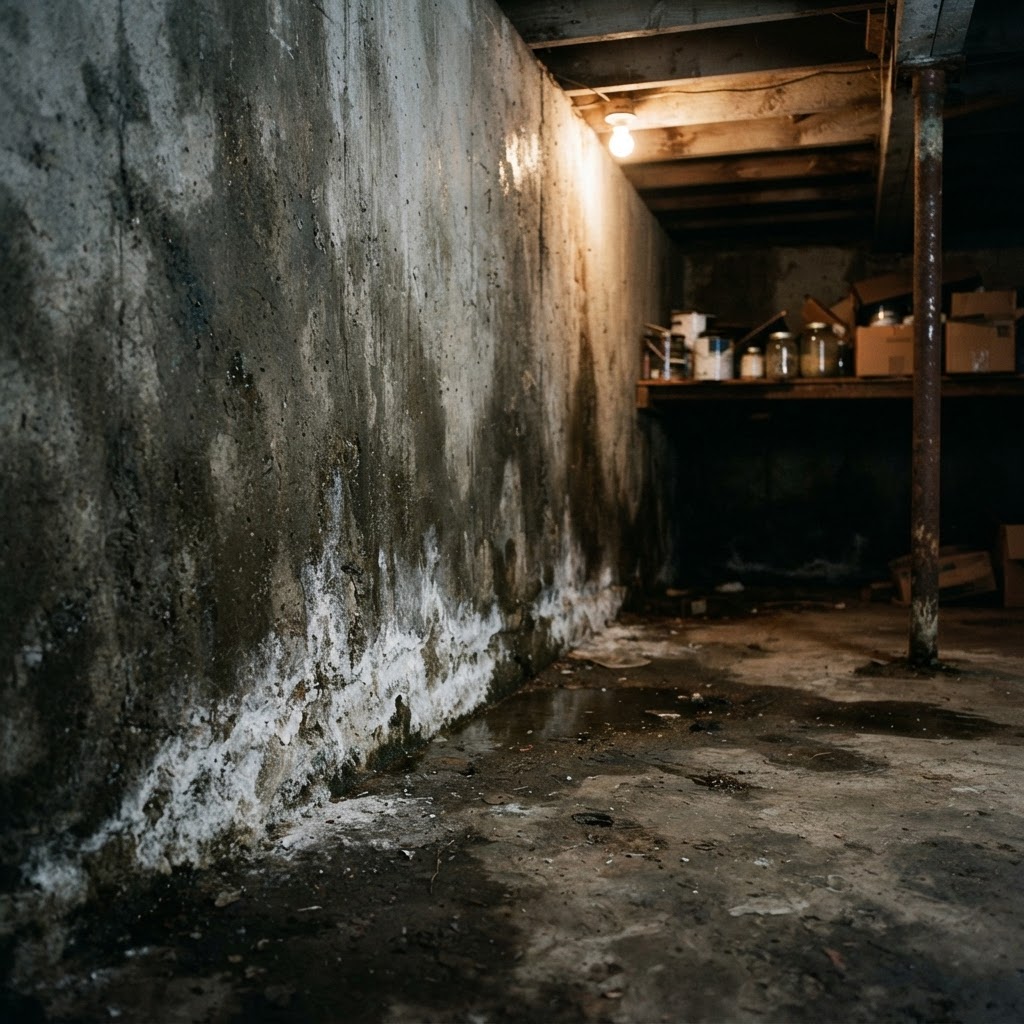
Signs Your Perimeter Drains Need Replacing
Perimeter drains fail slowly, not all at once. Here are the signs that the system has reached the point where repair will not hold and replacement is the honest answer.
Read article →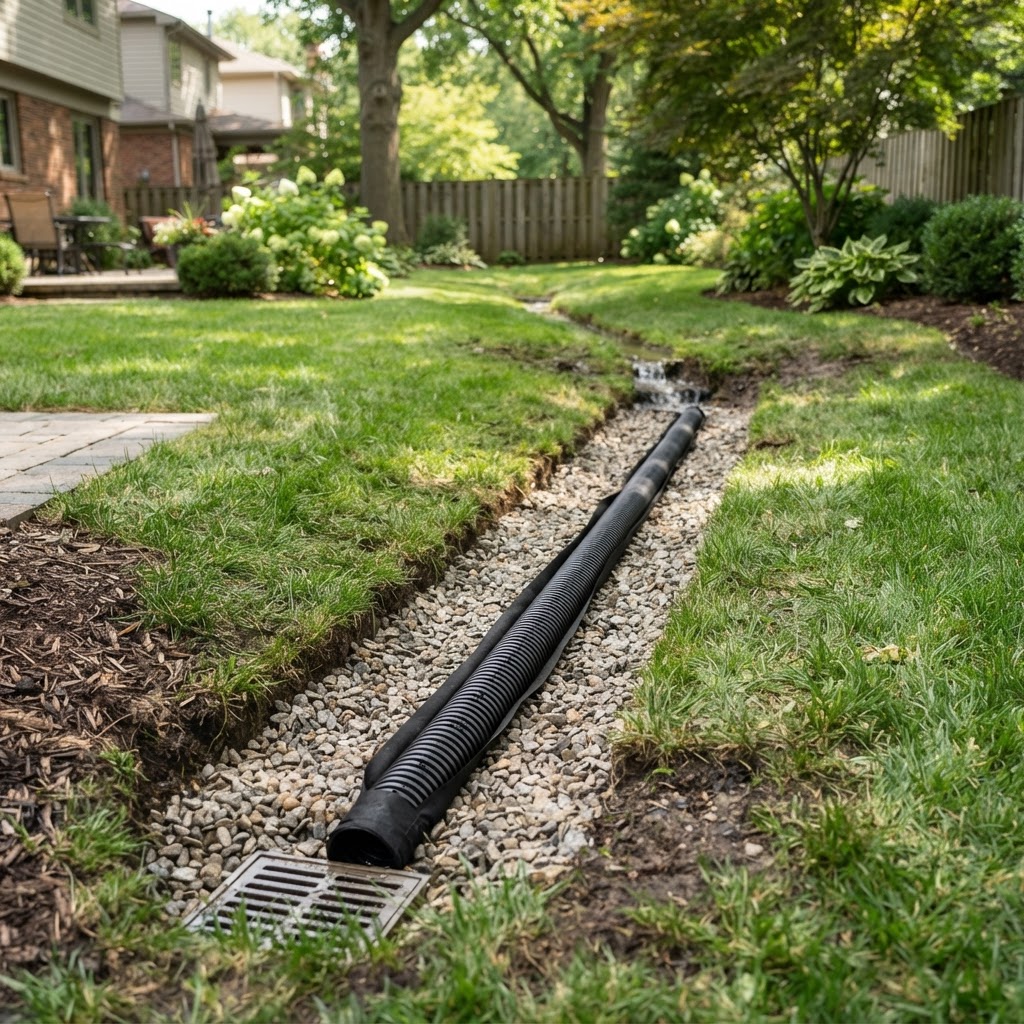
French Drain vs Perimeter Drain: What is the Difference?
The two terms get used interchangeably, but they solve different problems at different depths. Here is how to tell which one you need.
Read article →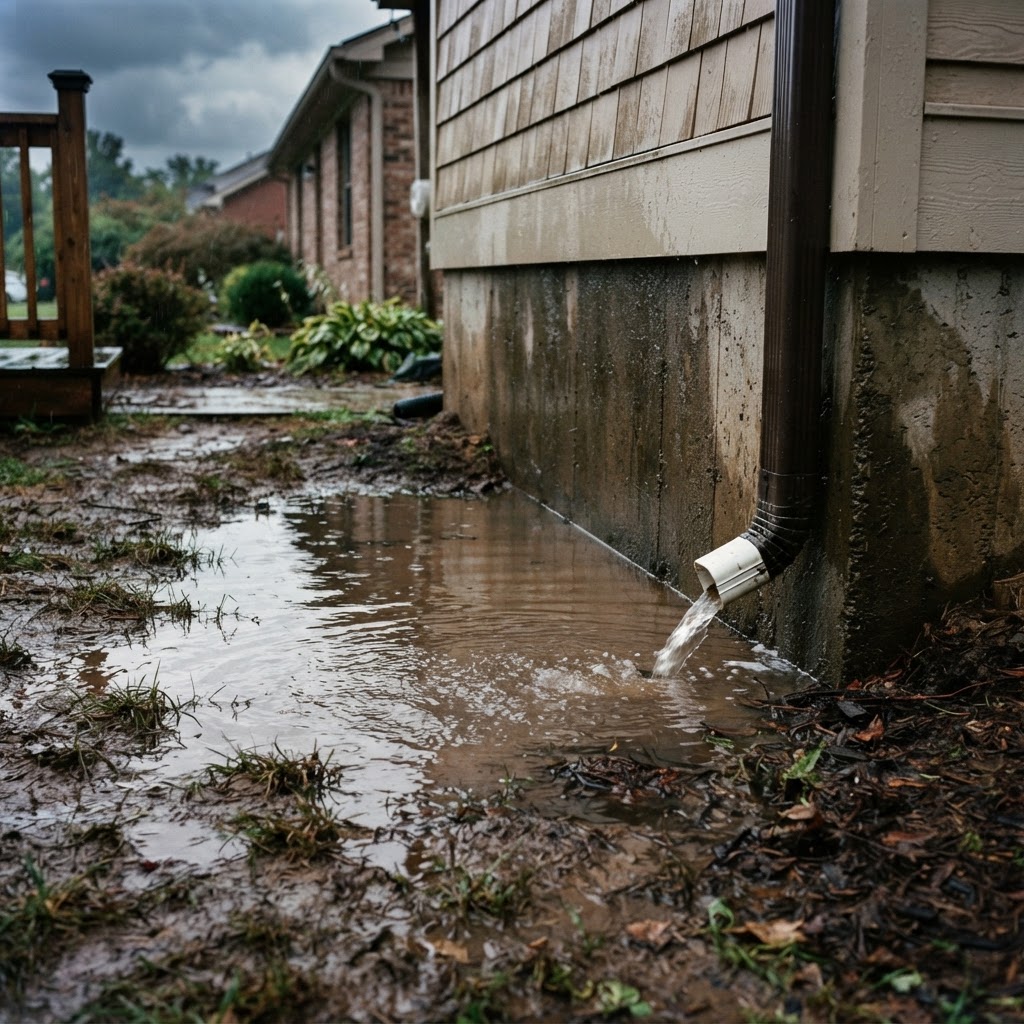
Why Is Water Pooling Around My Foundation?
Water against your foundation wall is a problem with a cause, and the cause determines the fix. Here are the usual suspects.
Read article →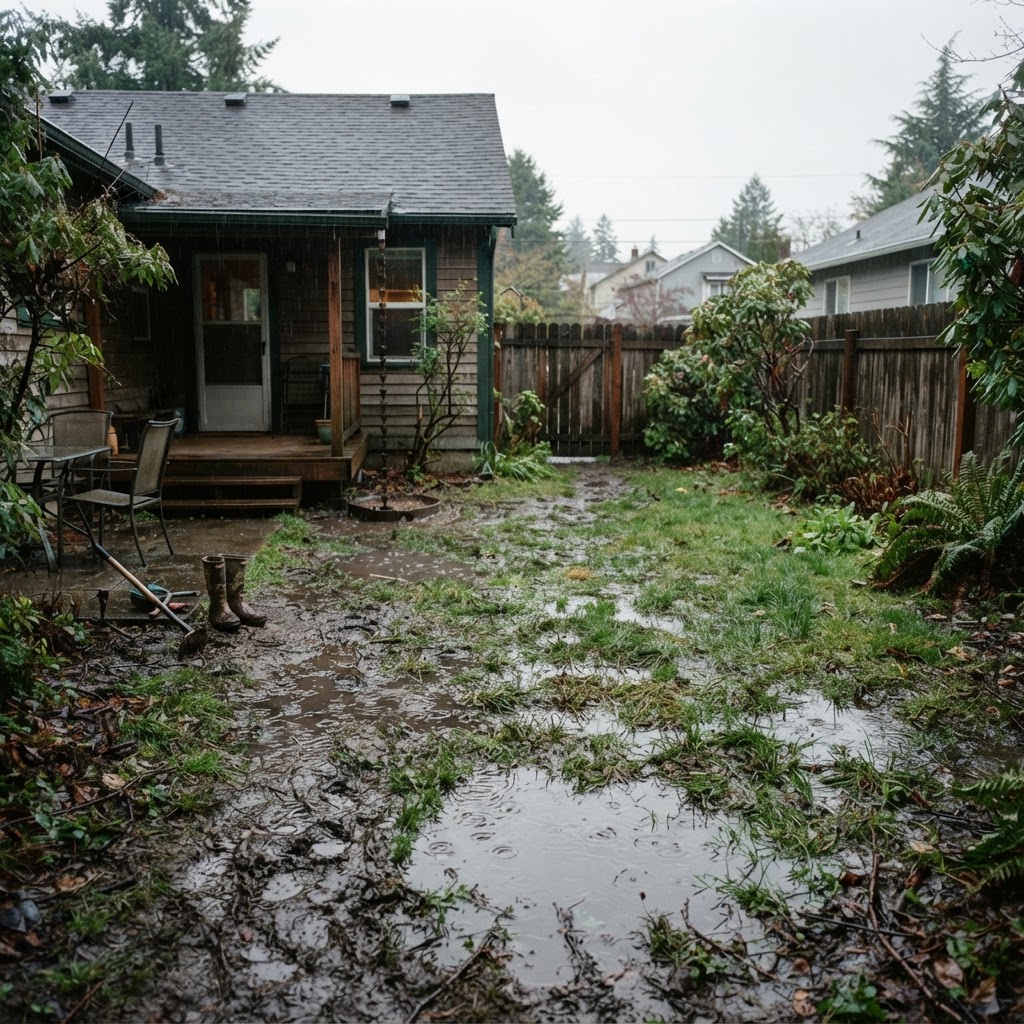
What Causes Yard Drainage Problems?
A yard that stays wet for days after rain has a cause, and it is usually not the rain. Here is what is actually going on underground.
Read article →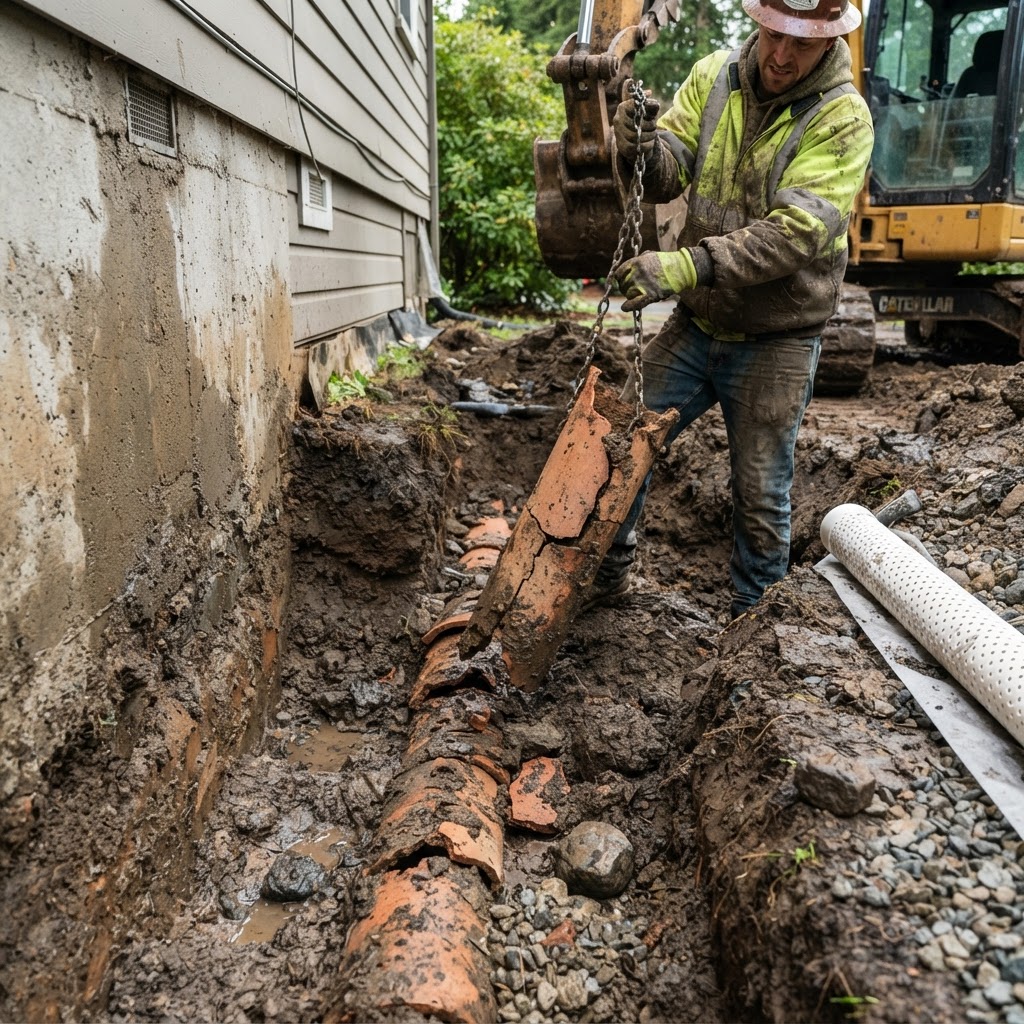
How Long Do Perimeter Drains Last?
The lifespan of a perimeter drain depends almost entirely on what it is made of and how it was installed. Here is what to expect.
Read article →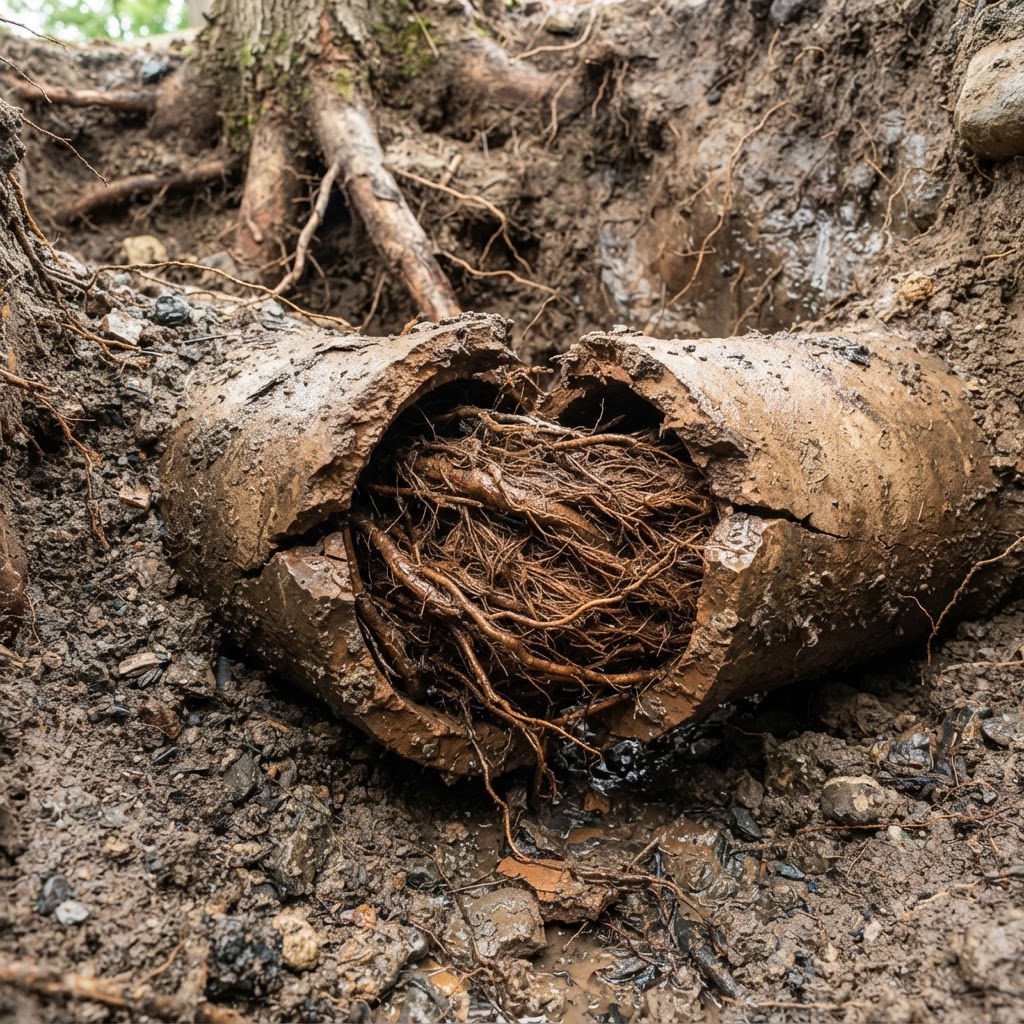
Can Tree Roots Damage Drainage Pipes?
Roots seek moisture and they find it inside drainage pipes. Here is how they get in, what they do, and what the options are when they have.
Read article →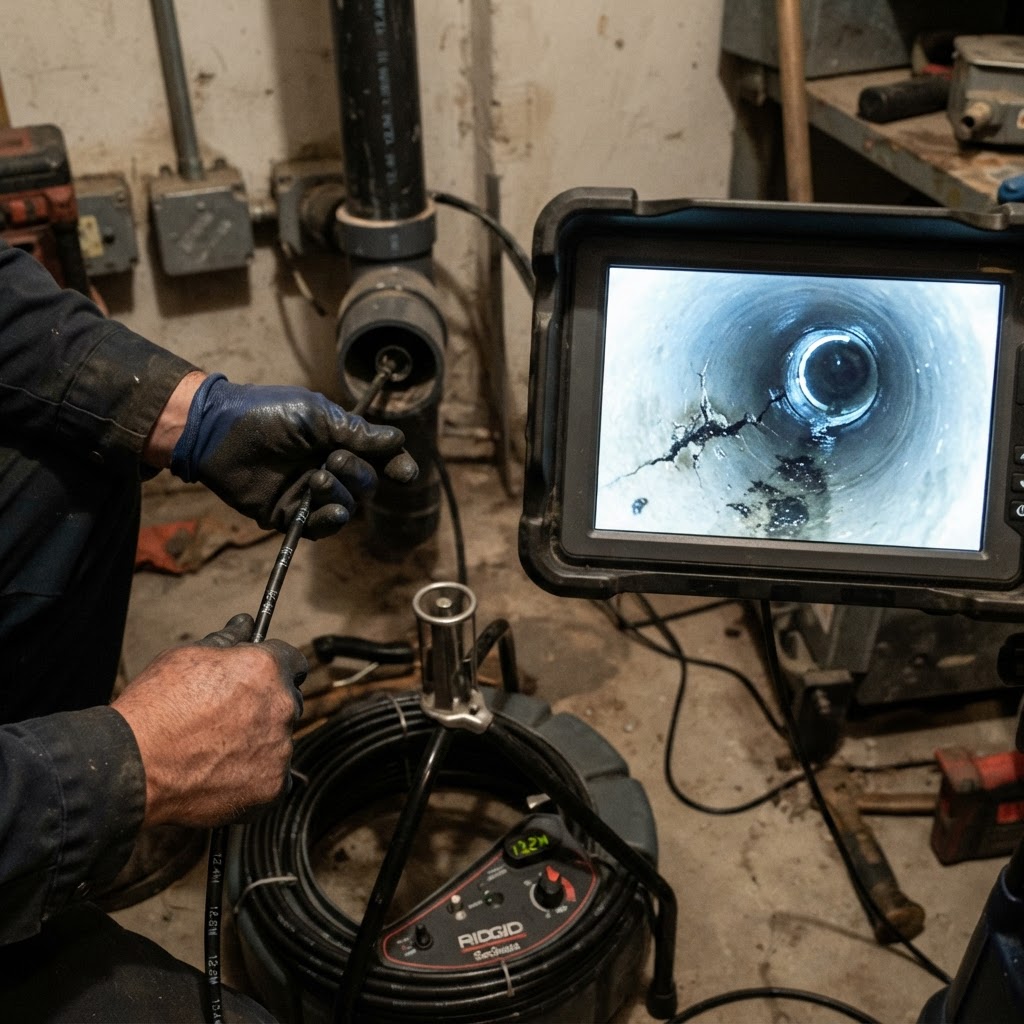
What Does a Drain Camera Inspection Show?
A camera inspection is not a gimmick — it shows you exactly what is happening inside a pipe so you do not dig blindly. Here is what it reveals.
Read article →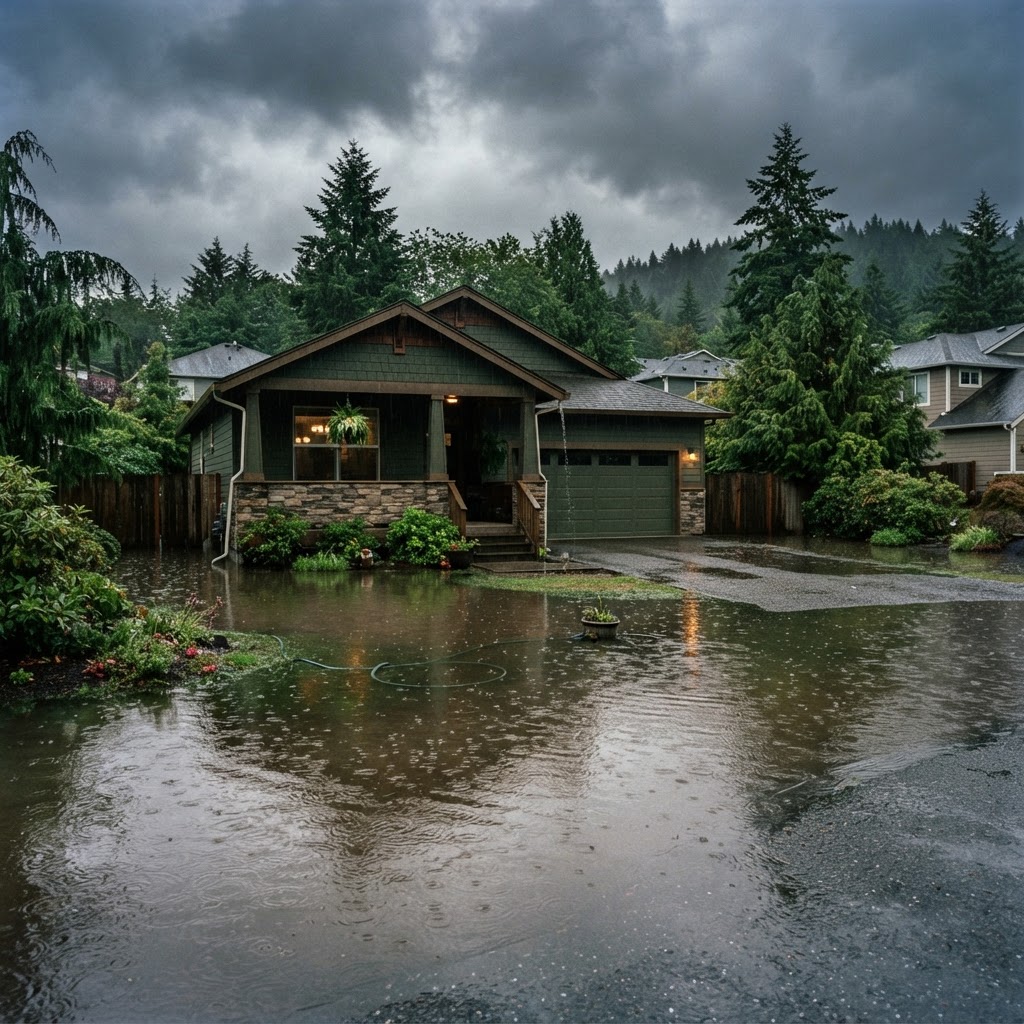
Why Does My Yard Flood After Heavy Rain?
A yard that only floods in heavy rain is telling you something specific: the drainage system cannot handle the volume, or it has no working outlet.
Read article →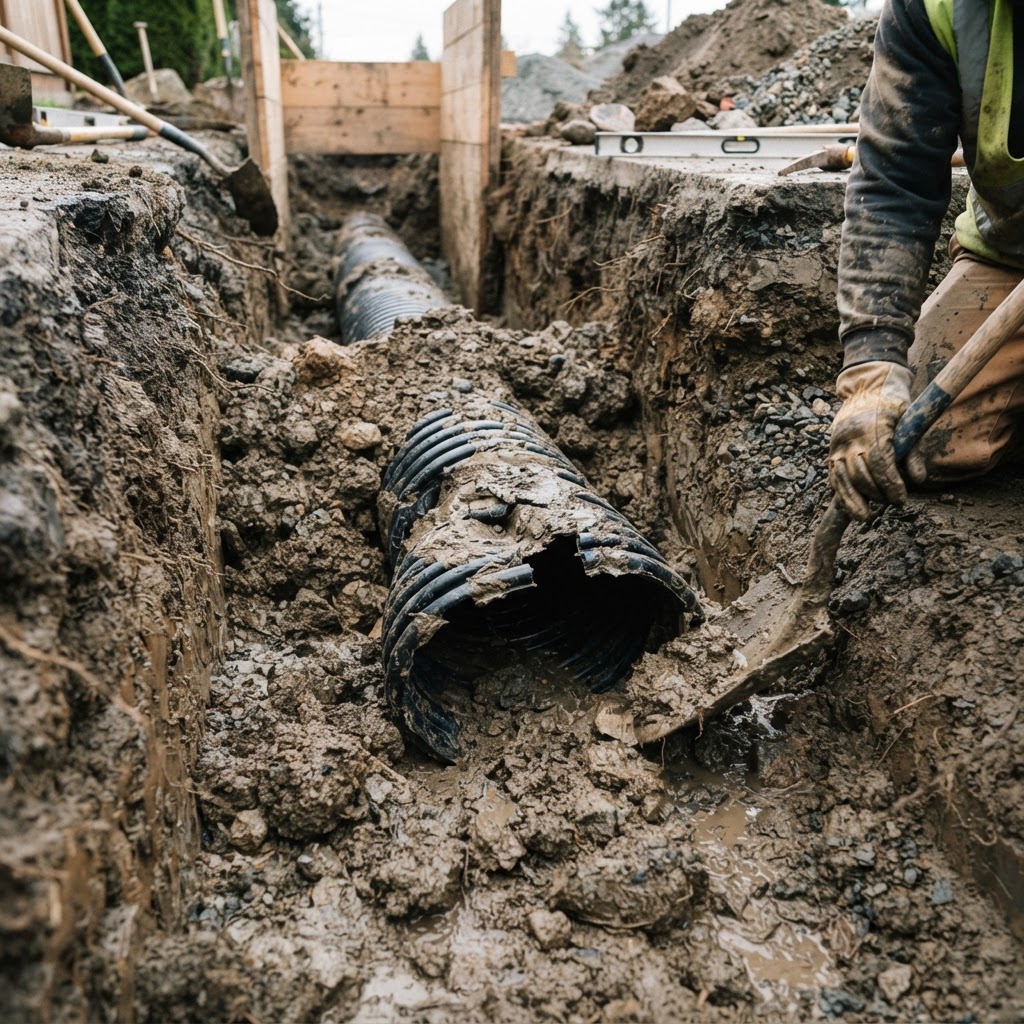
How to Tell if a Drainage Pipe Has Collapsed
A collapsed pipe does not always look obvious from the surface. Here are the signs and the only reliable way to confirm it.
Read article →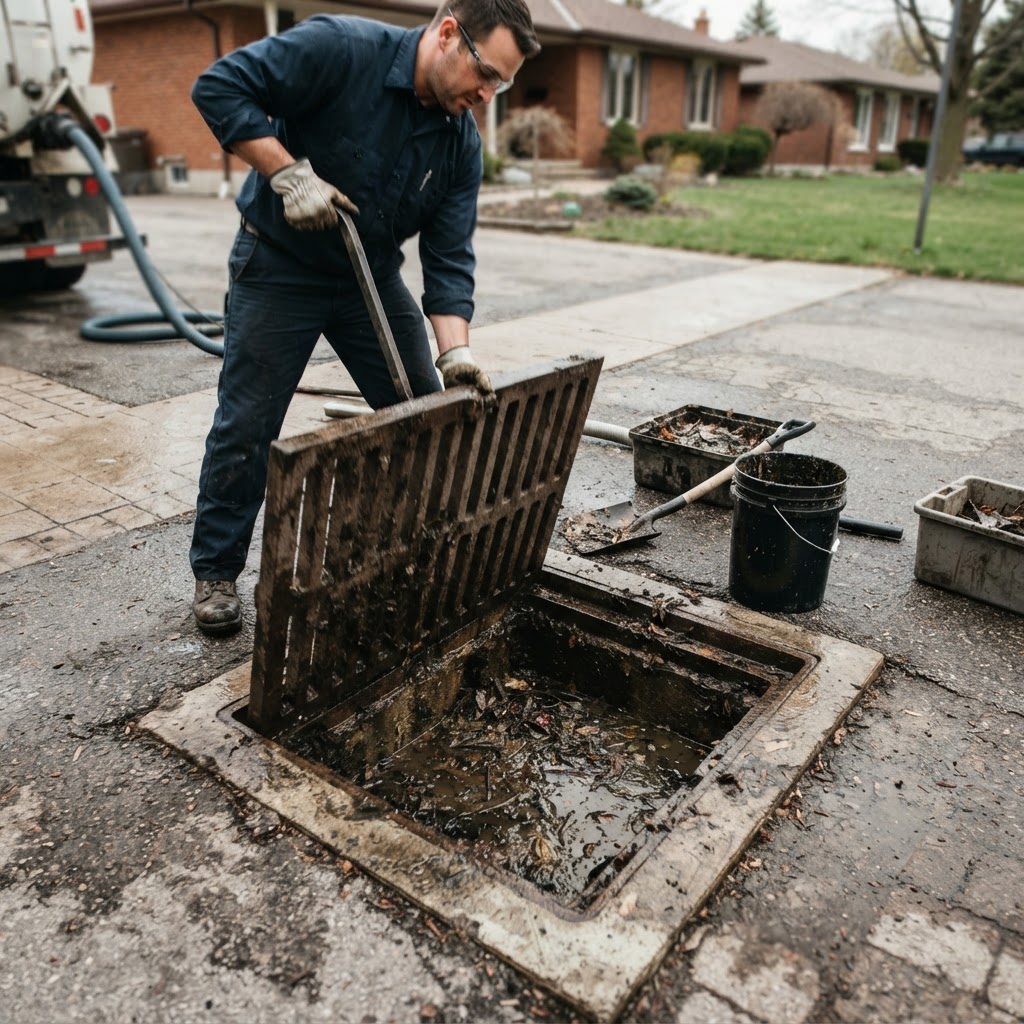
Catch Basin Maintenance for BC Properties
A catch basin is simple, but it only works if the sump is not full of sediment. Here is how to keep one working.
Read article →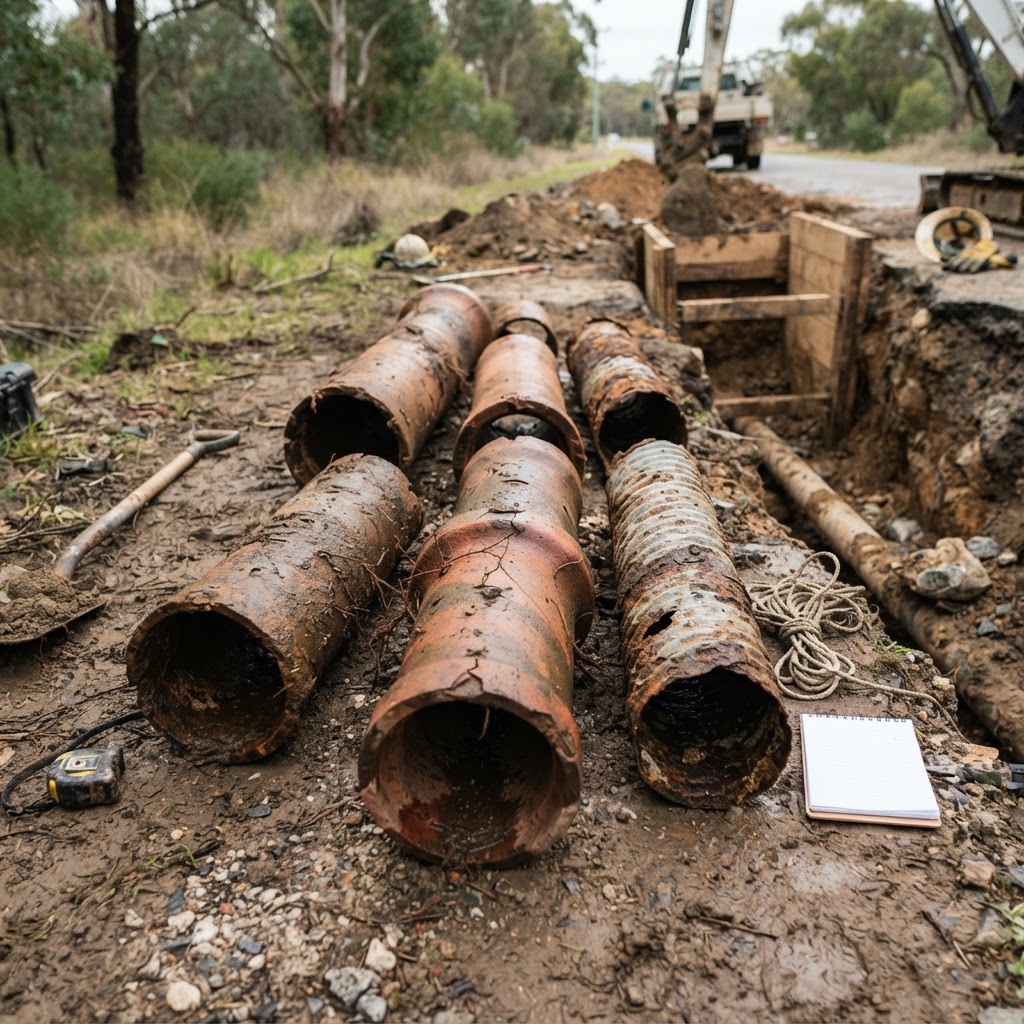
Repair vs Replacement for Older Drainage Systems
The choice between repairing a section and replacing the whole system comes down to a few clear factors. Here is how we make that call.
Read article →Have a drainage problem?
If reading these has helped you recognise a problem on your property, the next step is an inspection. Call or send a request and we will take it from there.